Our story
A place shaped
over time.
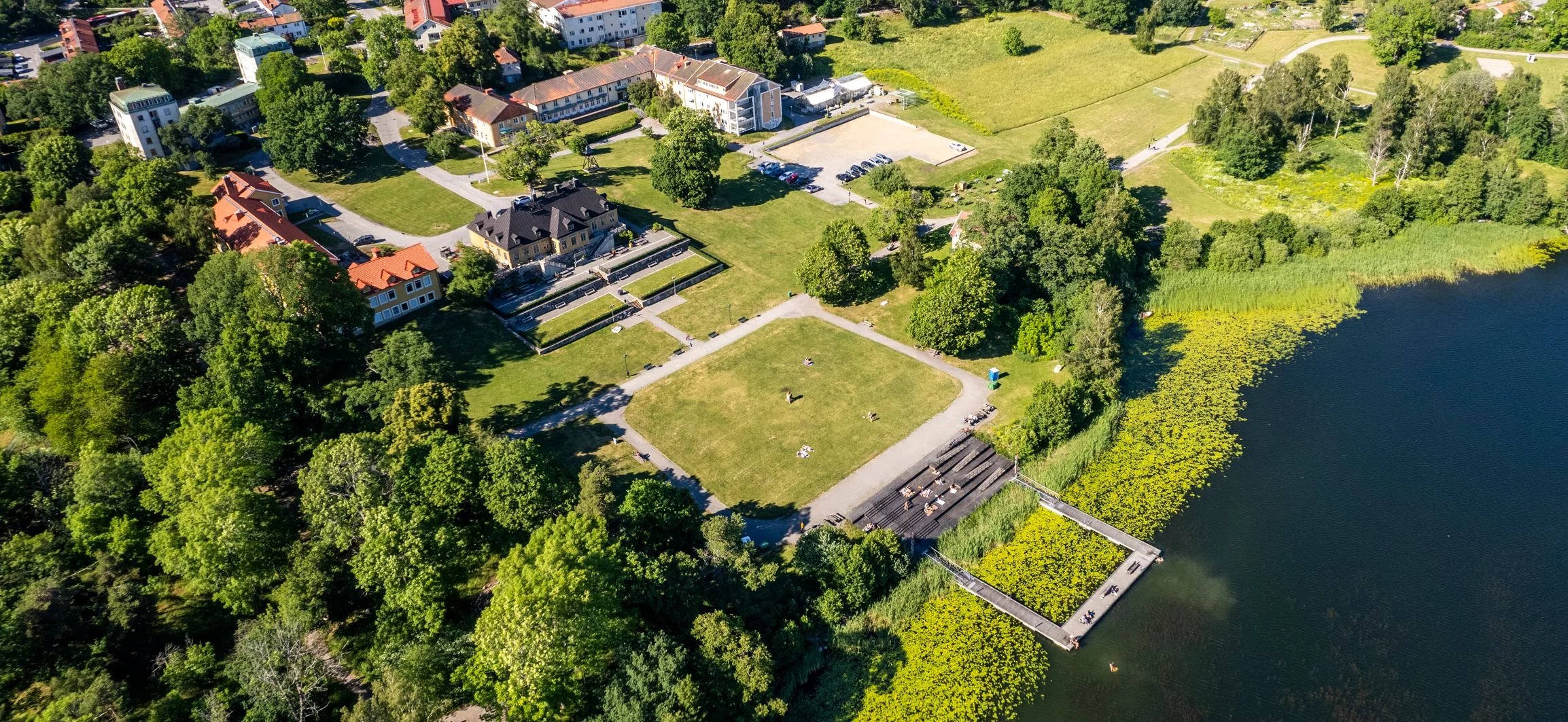
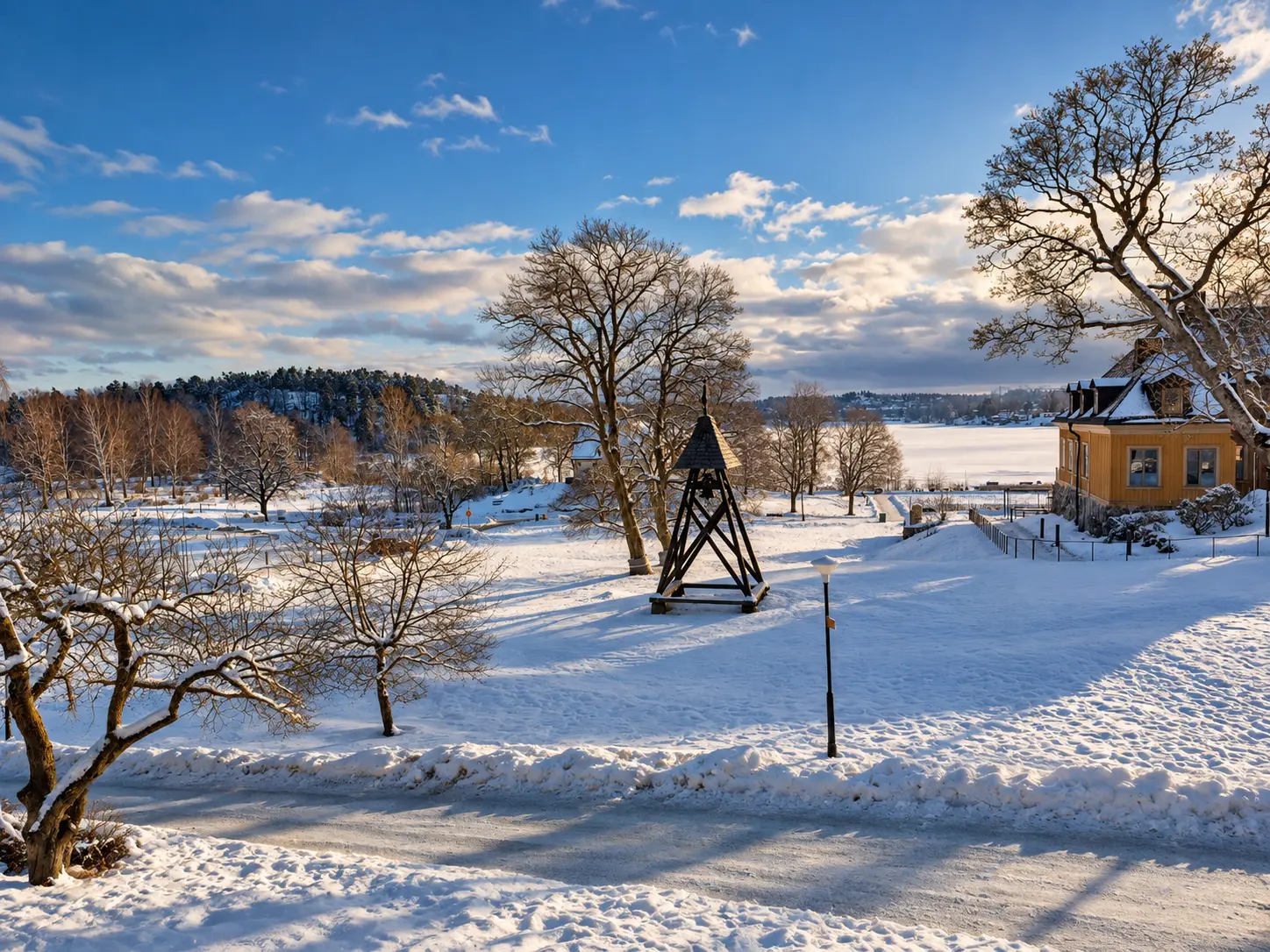
Lakefront stands beside Drevviken in Sköndal, on a site shaped by generations of people, work and shared responsibility. Its purpose has changed over time. Its story is still being written.
Before Lakefront
A place named for the water.
People have lived around this part of Drevviken since at least the Iron Age. The oldest known written form of the place name is Sionde, recorded in 1397 and understood as a form of Sjöände—“the end of the lake”.
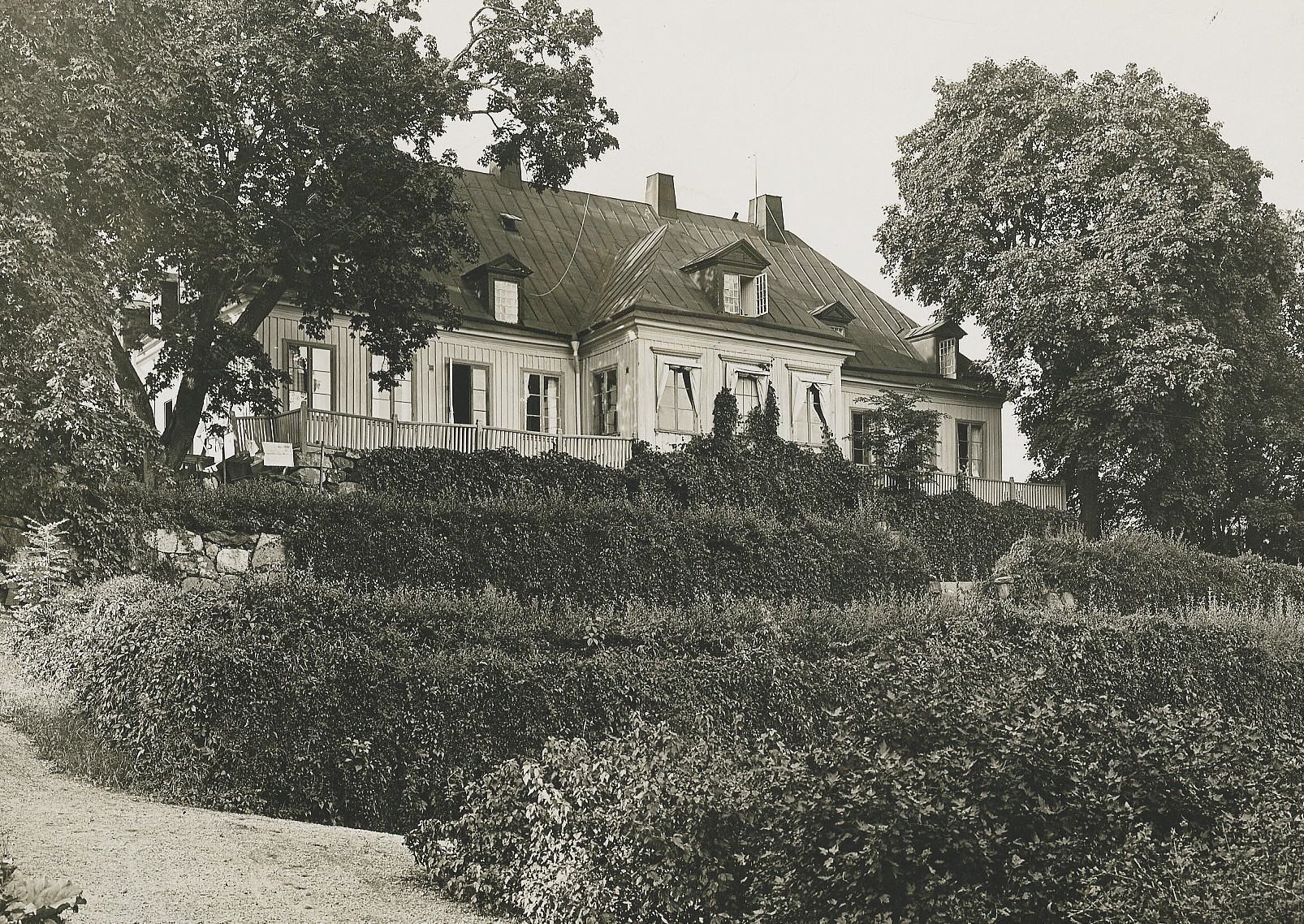
The estate’s main house was built in 1686. After northern land was sold in the 1830s, the name Stora Sköndal came into use. Buildings, gardens, farming and work gradually formed a landscape whose different periods can still be read today.
A tradition of shared life
Care and learning shaped the campus.
In 1905 Svenska Diakonisällskapet bought Stora Sköndal. The following year it moved its school for deacons and its newly established care for people with epilepsy here. Education, care and daily work developed side by side.
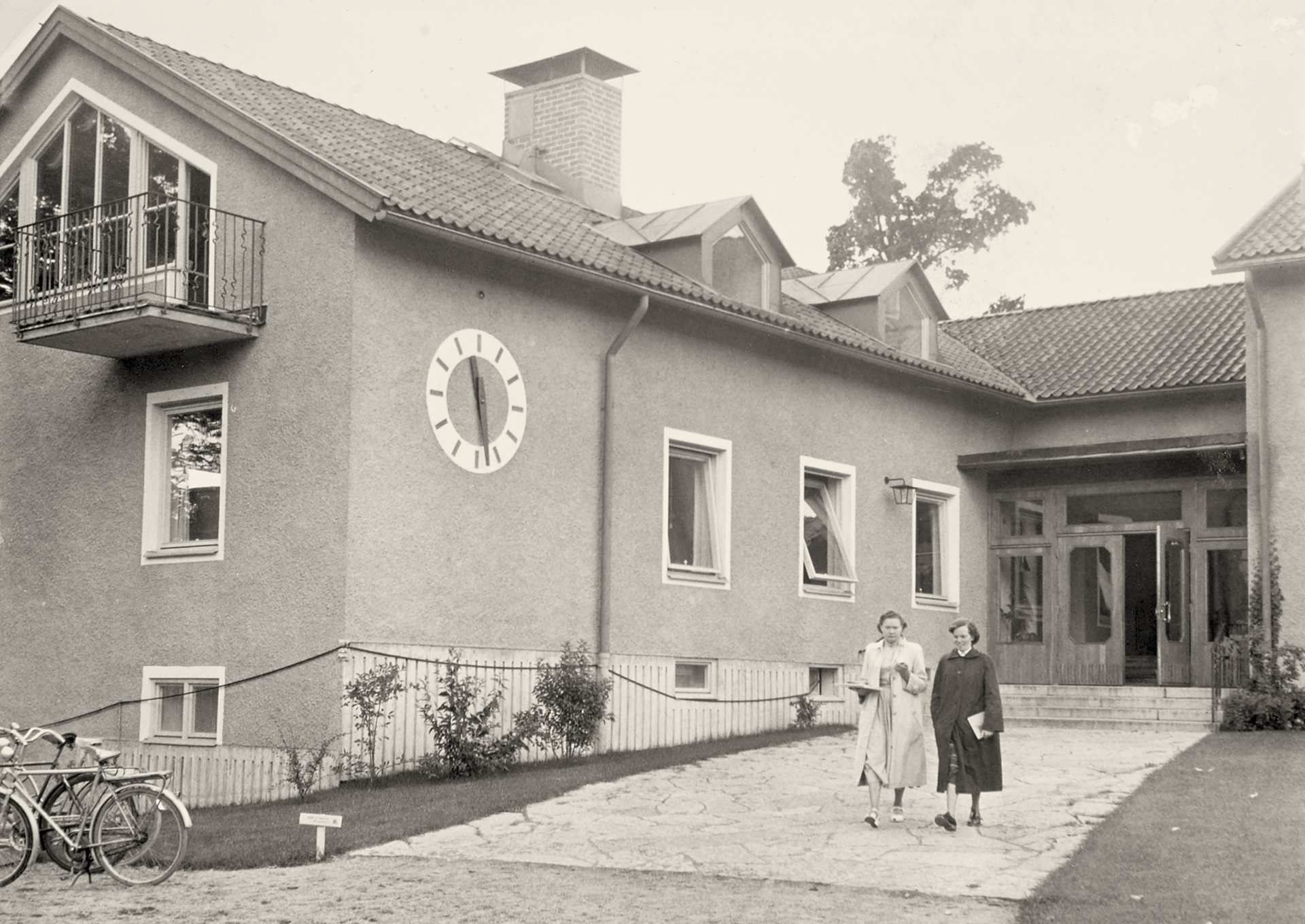
Over time the campus included social-work education, occupational therapy, park and agricultural work, carpentry, weaving and physiotherapy. An accessible lakeside bathing place was created in 1961–62, and new forms of elder care grew during the same period.
This history should not be romanticised. It belongs to the changing ideas and institutions of its time. What it establishes is that care, education and shared responsibility have shaped this ground for more than a century.
Lakefront today
An old guesthouse begins a new chapter.
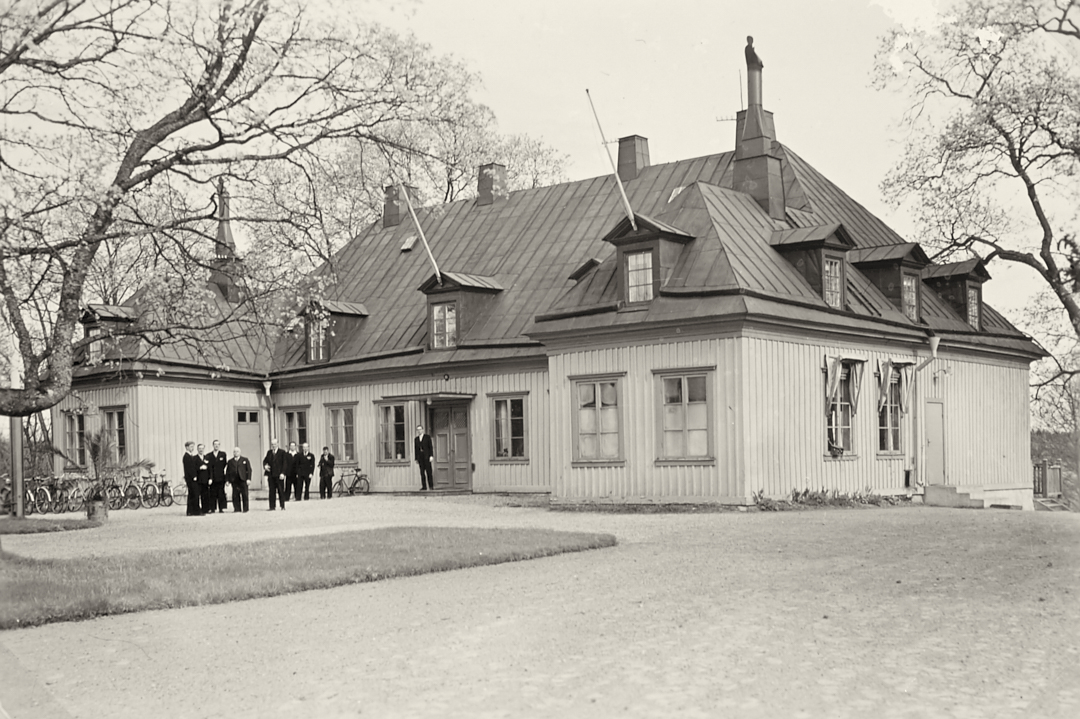
Kyrkbyns gästhem was first a rest home and later an elder-care residence. After standing empty, the building became the home of Lakefront—a new use centred on living, learning and community.
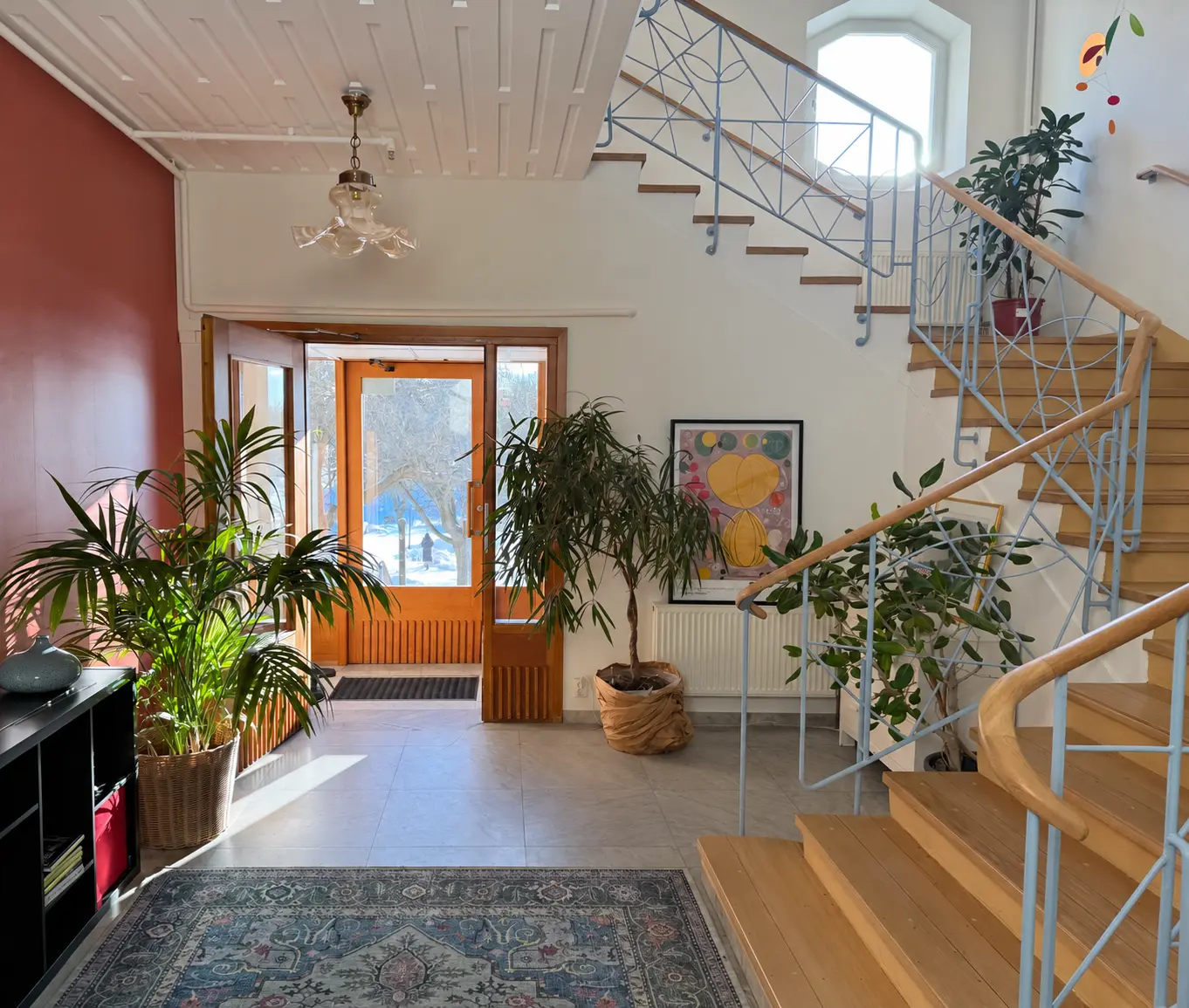
Residents have private space and share kitchens and common rooms. Programmes and everyday encounters bring people together, while the former college library can open for public events. Drevviken and the wider campus give this new chapter a physical centre.

What continues
The form changes.
The place remains.
People shape what follows.
Lakefront does not recreate the past. What can continue is a commitment to place, relationships and the patient work of making something together.
Take part
There is more than one way to be here.
The wider place
Part of a landscape still changing.
Lakefront sits within the wider Stora Sköndal campus, beside Drevviken. Historic buildings, newer neighbourhoods and shared outdoor spaces place this community within a story larger than any single house.